Understanding the true cost of custom kitchen cabinets helps you plan a kitchen that’s both stunning and smartly budgeted. These standout insights spotlight the factors that shape your investment—and reveal practical ways to maximize value and avoid surprises along the way.
- Custom cabinet costs vary widely—expect prices from $500–$1,200 per linear foot, with a full kitchen often totaling $10,000–$30,000+ based on materials, size, and design complexity.
- Material choice is the biggest price driver—premium woods like walnut or cherry add up to $500 more per linear foot compared to cost-effective maple, oak, or MDF.
- Labor and installation can add 30–50% to material costs, especially in urban areas or during peak remodeling seasons—factor this into your project budget up front.
- Custom cabinets deliver lasting value, with superior durability, tailored storage, and potential 80% ROI at resale—making them a smart investment for both enjoyment and future returns.
- Simple design choices save big—opting for clean-lined doors, standard-sized cabinets, and focusing high-end features on key areas keeps quality high while controlling costs.
- Transparent, itemized quotes and clear communication with your cabinet maker prevent hidden fees—always confirm what’s included, upgrade costs, and post-install support before signing.
- Regional differences and market trends matter—plan for higher costs in big cities, seasonal price fluctuations, and current demand for specialty finishes or eco-friendly materials.
- A 10–20% contingency buffer guards against unexpected expenses like permits, material delays, or site prep so your project stays on track.
By applying these insights, you’ll make more informed choices, safeguard your budget, and enjoy custom cabinetry that truly reflects your vision—explore the full article for a deeper dive into every step of the process.
Introduction
Imagine this: You’re picturing your dream kitchen, but suddenly the big question hits—how much are custom kitchen cabinets really going to cost? For many homeowners and designers, cost uncertainty can feel as daunting as picking a perfect shade of paint.
It’s not uncommon for custom kitchen cabinets to range from $10,000 to $30,000 or more, and the numbers can add up quickly. The secret? With custom kitchen cabinets, it’s never just “cabinet for cabinet”—it’s about craftsmanship, materials, and the details that make your space truly unique.
Whether you’re designing a cozy galley or opening up a grand cooking hub, knowing the real cost of custom kitchen cabinets helps you prioritize what matters most—from smart storage upgrades to aesthetic details that make daily life easier.
In this guide, you’ll gain clarity on:
-
The top cost drivers that shape custom kitchen cabinets quotes, so you know exactly what you’re paying for
-
How custom cabinetry compares with stock and semi-custom options
-
Proven strategies to maximize your investment and future-proof your design
-
Essential questions to ask—plus common budgeting pitfalls to avoid
By understanding these factors, you’ll be empowered to design a kitchen that reflects your lifestyle, adds long-term value, and stays on budget—without compromising on quality or vision.
Ready to explore exactly what goes into the price—and the payoff—of custom kitchen cabinets? Here’s what really affects the numbers when you craft a design uniquely yours.
Understanding What Drives the Cost of Custom Kitchen Cabinets
Custom kitchen cabinets can transform your space—but their cost is shaped by several key factors.
These elements work together to create a truly personalized look, with prices typically ranging between $500 and $1,200 per linear foot.
That means a full kitchen project often runs from $10,000 to $30,000 or more, depending on your choices.
Major Cost Factors Overview
When budgeting, expect the following areas to have the biggest impact on your final price:
- Materials: The biggest driver of cost. Solid hardwoods like cherry and walnut command premium prices, while MDF and plywood are more budget-friendly. Eco-friendly and exotic woods push prices even higher.
- Design Complexity: Simple, flat-panel styles are more affordable. Intricate details—think custom moldings, hand-carved features, or unique finishes—can dramatically raise expenses.
- Size & Layout: A larger space or unique design (islands, corner cabinets, floor-to-ceiling units) means more linear feet and materials, multiplying total costs.
- Construction Methods: Premium joinery and advanced construction—such as dovetail joints, inset or frameless doors—require expert craftsmanship and additional time.
- Finishes & Hardware: Standard paints and stains keep prices lower. Opting for hand-applied finishes, custom stains, soft-close hinges, or designer pulls adds to your investment.
- Labor & Installation: Skilled installation can add 30–50% to material costs, with higher rates in large cities or high-demand regions.
- Custom Features: Built-in organizers, appliance panels, pull-outs, and specialty drawers offer tremendous convenience but also increase your project budget.
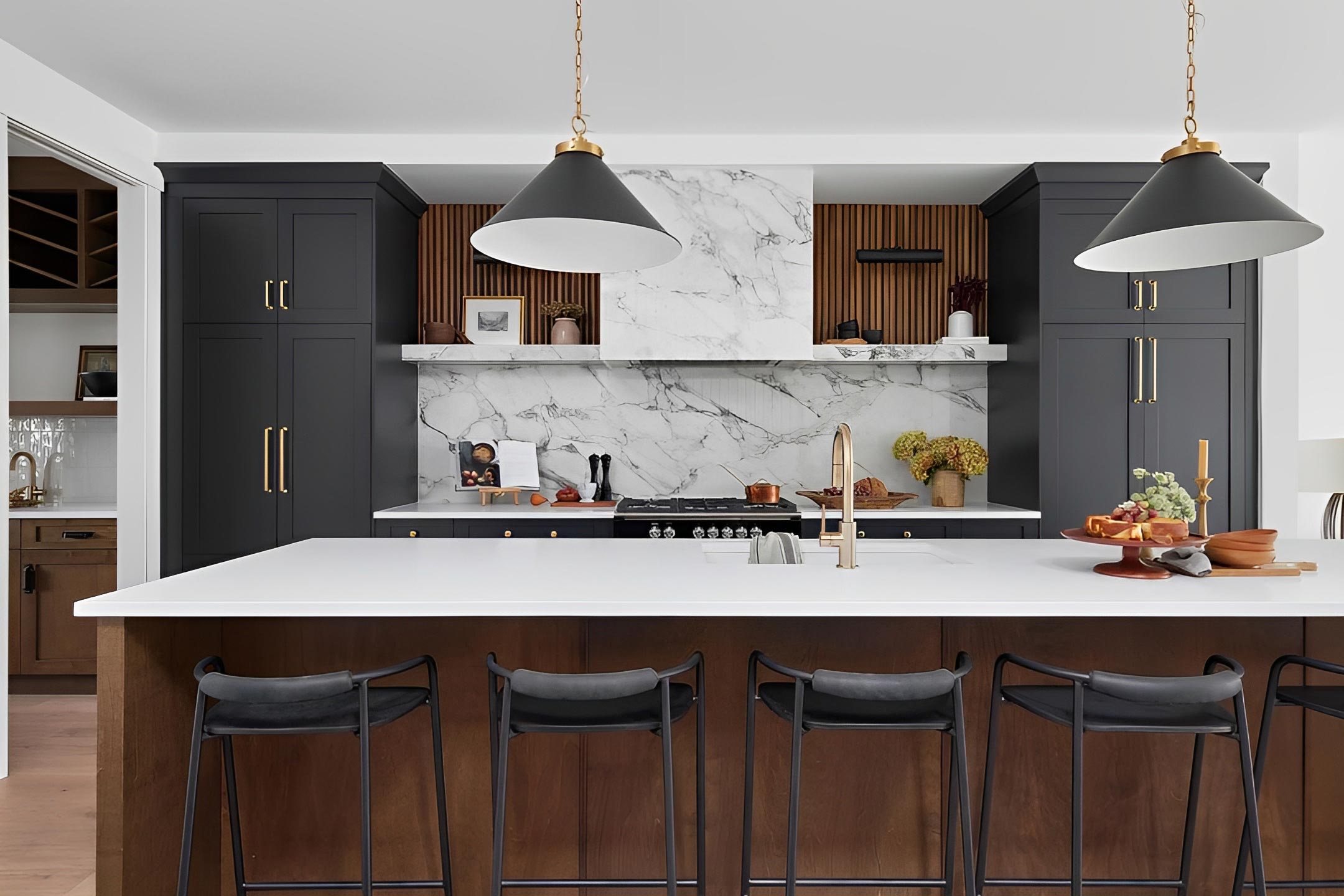
Visualizing Cost in Practice
Picture this: A 25-linear-foot kitchen using maple with sleek slab doors might start around $13,000-$20,000 installed.
But choose walnut, hand-applied finishes, integrated lighting, and custom storage—and your price can soar to $30,000+.
“Every detail—from the warmth of your chosen wood to the precision of premium hardware—shows up in both your finished space and your final quote.”
How Pricing and Budgets Are Built
Cabinet makers typically calculate project costs per linear foot, allowing you to compare options or adjust your scope easily.
- Smaller kitchens (15–20 feet): $8,000–$18,000+
- Standard kitchens (20–30 feet): $10,000–$36,000+
- Luxury or large kitchens (30+ feet): $22,500–$87,500
Permits, demolition, site prep, and related fees are often billed separately—always clarify what’s included in your project estimate.
Key Takeaway
The cost of custom kitchen cabinets is shaped by material choices, craftsmanship, layout, finishes, and labor.
Smart choices about design and features can help you control spending—while enjoying a kitchen tailored to your vision.
“Think beyond the price tag: Every added detail is an investment in daily enjoyment and long-term value.”
Custom Cabinets vs. Stock and Semi-Custom: Value and Investment
Choosing between custom, semi-custom, or stock cabinets is a pivotal decision for any kitchen project. The right option balances your vision, investment, and everyday experience.
Stock cabinets, found at big-box stores, are pre-made in set sizes, finishes, and styles. Semi-custom options allow minor tweaks in sizing and features. True custom cabinets are built from scratch to your exact requirements—every finish, profile, and feature tailored just for your space.
Price Breakdown by Cabinet Type
Compare average cost per linear foot and what’s included for a standard kitchen:
| Cabinet Type | Price (Installed) | What You Get | Typical Kitchen Cost |
|—————–|———————–|————————————————————|—————————–|
| Stock | $230–$290 | Limited sizes/styles, basic finishes, basic installation | $5,000–$10,000 |
| Semi-custom | $400–$700 | Expanded styles, some finishes, adjust sizes/options | $8,000–$21,000 |
| Custom | $500–$1,200+ | Unlimited options, premium finishes/hardware, artisan fit | $10,000–$36,000+ |
- Stock and semi-custom often exclude specialty features, premium materials, and custom installation requirements.
- Custom projects factor in advanced craftsmanship, built-in organizers, specialty drawers, and custom panels—plus detailed, on-site fitment.
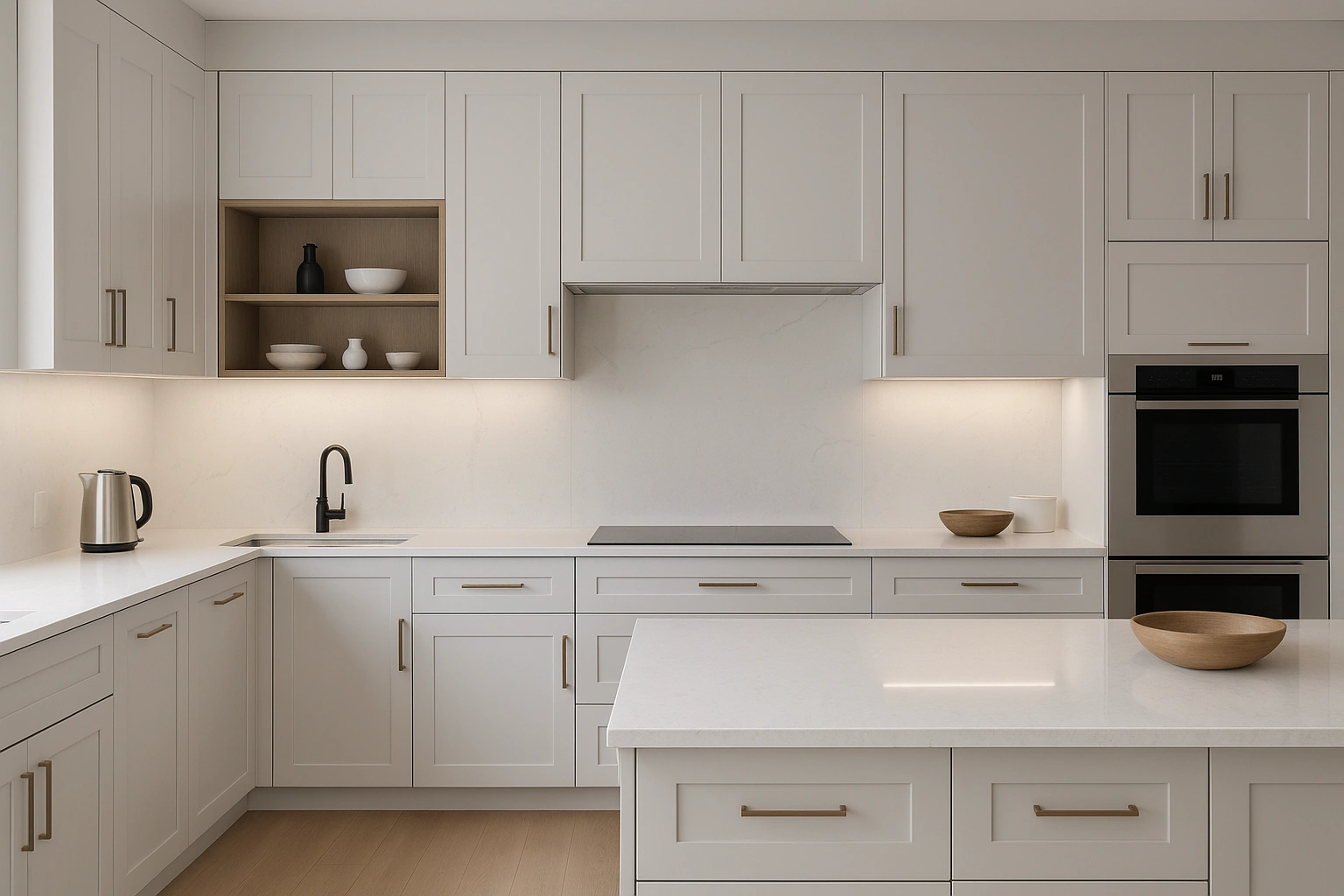
Picture this: Custom cabinets flowing seamlessly around every corner, shaped for that unique island or coffee nook you always wanted.
Longevity and Return on Investment
Custom cabinetry delivers more than looks—it’s an upgrade that lasts decades and elevates daily living.
- Expect superior durability from solid woods, premium joinery, and hand-applied finishes.
- Custom fits maximize storage and organization, boosting long-term convenience.
- According to remodeling industry stats, high-quality cabinets can return up to 80% of their value at resale—plus priceless daily satisfaction.
The “custom” difference isn’t just luxury; it’s a true investment in your home’s functionality and appeal.
What Does Your Investment Really Buy?
That higher price tag delivers:
- Bespoke craftsmanship—your vision, materials, and details realized perfectly
- Unique layouts and finishes that set your home apart
- Fit and finish in every corner, not just the easy ones
“Custom cabinetry is about transforming your kitchen into a reflection of you.”
The key: Custom cabinets cost more up front because they’re uniquely engineered for you—resulting in greater satisfaction, durability, and value for years to come. This makes custom a compelling choice for those who expect their cabinets to be both a feature and a foundation for daily living.
Detailed Cost Breakdown: How Custom Cabinet Estimates Are Calculated
The cost of custom kitchen cabinets blends artistry, material choice, and skilled labor—and understanding the breakdown puts you in control of your budget from the first quote to the final install.
A typical project with custom kitchen cabinets ranges from $10,000–$36,000+, yet each line of your estimate reveals a story about craftsmanship, quality, and personal style. Let’s explore what really shapes the bottom line.
Materials: Choices and Price Ranges
Materials are the backbone of every estimate for custom kitchen cabinets, driving 50–70% of the total cost.
-
Popular hardwoods such as maple, cherry, walnut, and oak usually cost $400–$900 per linear foot.
-
Exotic or reclaimed woods add uniqueness and can exceed $1,200 per linear foot.
-
Alternatives like MDF and plywood offer affordability, from $300–$600 per linear foot.
-
Custom stains or hand-applied finishes may raise costs by 15–25%.
“Every wood tells a different story—the right one shapes your kitchen’s character and your budget for custom kitchen cabinets.”
Construction and Customization
The construction style and level of customization strongly influence the final cost of custom kitchen cabinets.
-
Frameless vs. framed designs create a $50–$150 per foot difference.
-
Advanced joinery like dovetail drawers and inset doors add durability but also increase labor cost.
-
Specialty cabinets—wine racks, floor-to-ceiling storage, or appliance garages—can add $800–$2,000 each.
Picture this: custom kitchen cabinets with tall glass panels, seamless finishes, and concealed storage—tailored perfectly to your home.
Hardware, Accessories, and Interior Features
Every drawer and door affects the final cost of custom kitchen cabinets.
-
Premium hardware like soft-close hinges costs $30–$80 each.
-
Accessories, such as spice racks or pull-outs, range from $150–$400 each.
-
Integrated cabinet lighting adds both function and luxury, costing $300–$1,000+.
“Small touches in custom kitchen cabinets, like hidden pull-outs or soft-close drawers, enhance both daily convenience and long-term value.”
Labor, Installation, and Related Fees
Labor makes up 25–40% of the cost of custom kitchen cabinets, or roughly $200–$300 per linear foot.
-
Complex layouts with islands or corner cabinets require more time and higher labor fees.
-
Additional services—permits, prep, demolition—often add $500–$4,000 beyond cabinetry costs.
Clear, upfront estimates for custom kitchen cabinets help you avoid hidden charges.
Real-World Project Examples
Actual budgets make the numbers real:
-
Compact kitchen (15 ft): $8,000–$18,000
-
Standard kitchen (25 ft): $14,000–$30,000
-
Luxury kitchen (40 ft): $40,000–$75,000+
Imagine stepping into a sunlit space, walnut custom kitchen cabinets glowing with warmth—every corner designed around your lifestyle. That’s the difference precision craftsmanship makes.
How Location, Timing, and Market Trends Influence Cabinet Cost
If you’re budgeting for custom kitchen cabinets, where you live, when you order, and what’s trending in the industry all directly affect your bottom line.
Picture this: the same high-end walnut cabinets might cost $500 per linear foot in one state and over $1,200 per linear foot in another, just based on geography.
Regional Cost Differences: Labor & Materials
Labor rates and material availability can vary drastically by region.
- Urban and coastal cities often have higher cabinet installation prices, adding 30–50% to material costs.
- Rural areas tend to offer more competitive labor and shorter wait times, but rare materials may take longer to source.
- Local access to premium woods or eco-friendly options can swing material costs by hundreds per foot.
A $20,000 project in the Midwest might reach $30,000 or more in a major metropolitan area.
Seasonality: Timing Your Project
Surprisingly, when you plan your custom cabinetry matters.
- Peak remodeling seasons (spring and fall) usually mean longer lead times and tighter schedules.
- Ordering during the winter can unlock better pricing or faster availability, as workshops aim to fill downtime.
- For multi-phase renovations, schedule your cabinet order early—lead times can extend 8–12 weeks or more in high-demand months.
“Order early in the year to secure your preferred timeline and avoid seasonal rate jumps.”
2025 Market Trends Affecting Cost
This year, several trends are shaping pricing and value:
- Hardwood and plywood prices remain unstable—recent supply chain disruptions have caused material cost swings of 10–20%.
- Demand for specialty finishes and integrated lighting is driving up premium cabinet prices.
- Eco-conscious materials and European-inspired minimalist designs are popular, sometimes raising costs due to limited supply.
Industry experts note that high demand for custom cabinetry continues into 2025, making early planning more crucial than ever.
Uncontrollable Factors: Permits, Inflation, and Logistics
Keep in mind, some budget surprises are simply out of your hands:
- Permit fees and inspection costs vary by county or municipality, sometimes totaling several hundred dollars.
- Inflation and shipping delays can add weeks and additional cost, especially if specialty materials get held up.
- Unexpected demolition, site prep, or disposal fees are rarely included in the initial bid.
“Always pad your cabinet budget by 10–20% to cover the unexpected—peace of mind is worth it.”
Whether you’re dreaming of a crisp modern kitchen or a warm, classic design, knowing how location, timing, and industry shifts impact price lets you plan smarter and invest with confidence.
Strategies to Maximize Value and Control Costs
Everyone wants their dream kitchen, but savvy budget moves make all the difference. Investing wisely starts with understanding where your money has the biggest impact—and how to avoid surprises.
Making Smart Material and Design Decisions
Choosing the right material is one of the most powerful ways to control cost. Picture this: selecting a premium wood like walnut can raise costs by up to $500 per linear foot versus cost-effective, beautiful maple or MDF.
- Opt for maple, oak, or MDF to save $200–$400 per linear foot over exotic or reclaimed woods.
- Favor simple, clean-lined door styles over intricate profiles to reduce labor and material expense.
- Prioritize one standout feature (like a two-tone island) instead of detailing every cabinet.
“Your cabinet material can make or break your budget—focus on style where it counts.”
Optimizing Cabinet Layout and Storage
Efficient planning is your ticket to value. Smart layout choices can reduce both materials and labor—even in stunning, spacious kitchens.
- Limit specialty units (pull-outs, appliance garages) to high-use spots like corners or pantry spaces.
- Maximize storage with standard-size cabinets, avoiding full custom shapes except where truly necessary.
- Incorporate vertical storage and taller uppers instead of increasing cabinet count.
Picture walking into a kitchen where everything has a place—because you invested in flexibility, not just volume.
Working with Your Cabinet Maker: Transparency and Flexibility
Open communication is everything. Clear priorities mean your cabinet maker can help you value engineer each step—saving dollars while keeping your vision intact.
- Share your budget and top priorities early.
- Ask for alternatives and upgrade paths: “If I splurge on soft-close drawers, where can we go simpler?”
- Request a detailed itemized estimate to spot savings and avoid hidden costs.
Quotable: “Transparency isn’t just good service—it’s the fastest route to the kitchen you’ll love for years.”
Exploring Financing and Payment Options
With custom cabinetry often starting at $10,000–$30,000 per kitchen, cost management is about timing as well as what you choose.
- Expect a deposit (often 30–50%), then staged payments as work progresses.
- Ask if your provider offers in-house financing or can recommend trusted credit partners.
- Plan for completion and installation fees, which may total 25–40% of your cabinet cost.
A smart payment plan means the space you crave is within reach—without unwanted surprises.
When you balance material and design choices with intentional layout and honest, ongoing dialogue, your investment goes further and lasts longer. Remember: careful planning upfront creates a kitchen that feels custom, functions beautifully, and stands the test of time.
Questions to Ask and Pitfalls to Avoid When Budgeting for Custom Cabinets
Starting a custom kitchen cabinet project is thrilling, but clarity up front is crucial.
Avoiding surprise costs takes more than a quick estimate—success starts with the right questions.
Before signing anything, make sure to ask your cabinet maker:
- What’s included and excluded in my quote? (Think demo, site prep, hardware, installation.)
- How are custom options priced—is every upgrade or organizer an extra line item?
- Are permits, electrical, or plumbing work factored in, or billed separately?
Picture this: You’re mid-renovation, and a crew knocks, “We need an extra $2,000 for demolition and outlet changes.” Prevent that scenario with specific, written answers from your provider.
“Clear communication today saves thousands tomorrow.”
Navigating Estimates, Bids, and Contracts
A detailed proposal is your best defense against project creep.
Key elements to spot in a written bid:
- Full scope breakdown: Every cabinet, finish, accessory, hardware type, and special feature must be listed.
- Installation details: Is it just delivery, or full setup? Are old cabinets removed?
- Change order process: How and when are new requests or surprises documented—and priced?
“Never assume—confirm every detail before work begins.”
It helps to compare bids using a simple checklist, ensuring apples-to-apples evaluation.
Planning for the Unexpected
Every renovation comes with curveballs.
Experts recommend a 10-20% contingency buffer in your budget—especially for changes discovered after demolition or rising material costs.
If deadlines matter, discuss:
- How are delays handled, and who communicates them?
- What triggers extra charges—rush work, after-hours labor, or material substitutions?
“One small overlooked detail can mean thousands in unplanned expenses.”
Support That Lasts Beyond Installation
Long-term value comes from ongoing support and service.
Ask:
- What’s the warranty—on cabinets, finishes, and hardware?
- Who handles service calls, refinishing, or repairs post-install?
Knowing you can call for help provides peace of mind—and justifies the investment.
By asking specific questions, reviewing written proposals, and planning for surprises, you’ll protect your investment, control costs, and enjoy the beauty and function of your new custom kitchen for years to come.
| Category | Average Cost | Cost Drivers | Notes / Value Tips |
|---|---|---|---|
| Per Linear Foot | $500 – $1,200+ | Material choice, craftsmanship, finish quality | Premium woods like walnut or cherry add up to $500 more per ft. |
| Full Kitchen Project | $10,000 – $30,000+ | Size, layout, design complexity | Larger kitchens and detailed designs raise total investment. |
| Labor & Installation | +30–50% of material cost | Location, project timing, skill level | Urban areas and peak remodeling seasons add to costs. |
| Materials | 50–70% of total project cost | Solid hardwoods, MDF, plywood, or eco options | Maple and oak are budget-friendly; walnut adds luxury. |
| Finishes & Hardware | $30 – $400+ per element | Custom stains, soft-close hinges, designer pulls | Hand-applied finishes add 15–25% to total cost. |
| Custom Features | +$800 – $2,000 each | Pull-outs, appliance panels, glass fronts | Focus upgrades on high-impact areas to save smartly. |
| Regional Differences | Varies 20–40% | Urban vs. rural labor rates, material availability | Expect higher pricing in large metro areas or coasts. |
| Contingency Buffer | +10–20% | Permits, site prep, material delays | Helps protect against unexpected costs or design changes. |
The IL Cabinets Experience: Quality, Craftsmanship, and Customer Care
At IL Cabinets, every project is a reflection of our commitment to craftsmanship and tailored service.
We believe your cabinetry should not only fit your space, but also express your vision and enhance daily life.
Our process is transparent, collaborative, and rooted in decades of experience—so you can picture this: stepping into a kitchen that was crafted just for you, with every detail considered.
What Makes IL Cabinets Different
Clients choose us for our:
- Custom craftsmanship: Every cabinet is purpose-built to your exact specifications, using premium materials chosen to suit your lifestyle and budget.
- Customer-first approach: From your first consultation to the finishing touches, our team is responsive, attentive, and dedicated to your satisfaction.
- Honest communication: We provide clear, itemized quotes and proactive updates at every phase—no hidden costs, no surprises.
- Showcase of excellence: Our portfolio highlights real projects, celebrating homes where form meets function in beautiful harmony.
As one satisfied client described it, “Working with IL Cabinets felt like having a design partner—never just a contractor.”
Our Process: Consultation to Completion
Here’s what you can expect when partnering with us:
- Personalized Consultation: We listen to your needs, inspirations, and vision—whether that means maximizing a galley kitchen or bringing warmth to a grand open-concept space.
- Design Collaboration: We present 3D renderings, material samples, and detailed options based on your style, needs, and budget.
- Craftsmanship in Action: Once designs are finalized, our artisans begin precision fabrication—using advanced joinery and premium finishes.
- Installation and Review: Professional installation ensures a perfect fit. Walk through your new space with us and sign off only when you’re delighted.
- Ongoing Support: We check in post-installation to ensure everything performs beautifully.
Touchpoints for Your Involvement
Your journey to custom kitchen cabinets includes active involvement at key stages:
-
Approving designs that match your lifestyle
-
Choosing materials and finishes for beauty and durability
-
Scheduling site visits and installations with ease
-
Reviewing completed work for flawless execution
Standing Behind Our Work
We back every project with:
-
A comprehensive warranty covering craftsmanship and installation
-
Maintenance support and clear care instructions for lasting beauty
-
Easy access for repairs, refinishing, or future upgrades—just a phone call or email away
Consider IL Cabinets your partner long after installation; our commitment to custom kitchen cabinets continues well beyond project completion.
This means you’re not just investing in cabinetry—you’re investing in a relationship built on quality, transparency, and peace of mind.
Conclusion
Investing in custom kitchen cabinets isn’t just about upgrading a room—it’s an opportunity to design a space that reflects your lifestyle, your taste, and your long-term needs.
When you choose personal design, skilled craftsmanship, and honest partnership, you’re building more than cabinets—you’re creating lasting comfort and value.
How to Take Control of Your Vision
-
Clarify your must-haves: Define the materials, features, and layout that matter most.
-
Set a realistic budget: Factor in materials, customization, labor, plus a 10–20% contingency.
-
Ask for detailed quotes: Ensure every element of your custom kitchen cabinets is transparent—no surprises.
-
Focus on value, not just price: Balance signature touches with practical savings by exploring smart alternatives.
-
Plan your timeline early: Secure schedules to avoid delays and keep your renovation on track.
Ready to Take the Next Step?
-
Book a design consultation to explore tailored styles and materials for your custom kitchen cabinets.
-
Review past projects and client testimonials for inspiration and real-world insight.
-
Share your ideas and budget to start a conversation rooted in transparency and craftsmanship.
The kitchen you envision is closer than you think. With the right custom kitchen cabinets, you’ll create a space that welcomes, inspires, and endures—crafted for your life today and tomorrow.
“Great design starts with one choice: to invest in what elevates your home every single day.”
FAQs About Custom Kitchen Cabinets
1. How much do custom kitchen cabinets typically cost?
Custom kitchen cabinets usually range from $10,000 to $30,000+, depending on materials, finishes, and design complexity. For a full breakdown of pricing factors, check out our Custom Kitchen Cabinets: Buyer’s Guide 2025.
2. Are custom kitchen cabinets worth the investment?
Yes. While the upfront cost is higher than stock cabinets, custom kitchen cabinets provide superior durability, personalized design, and long-term value for your home.
3. How long does it take to install custom kitchen cabinets?
The timeline varies, but most projects take 6–12 weeks from design approval to final installation. The exact timing depends on the complexity of your custom kitchen cabinets.
4. Can I choose eco-friendly materials for custom kitchen cabinets?
Absolutely. Many cabinet makers now offer sustainable wood options, low-VOC finishes, and recycled materials. For industry guidelines, visit Environmental Protection Agency’s Green Building Resource .
5. How do I maintain my custom kitchen cabinets?
Routine cleaning with a soft cloth and mild soap keeps cabinets in top shape. Avoid harsh chemicals, and ask your provider about maintenance plans to extend the life of your custom kitchen cabinets.