How to source and select a custom cabinet maker is one of the most important decisions you’ll make during a renovation. The right cabinet maker transforms your space, protects your investment, and delivers long-term value through expert craftsmanship, premium materials, and a seamless project experience.
- Define your vision and priorities with a clear project scope, preferred styles, and functional must-haves to guide the entire process from inspiration to installation.
- Set a realistic budget and timeline by planning for $600–$1,200 per linear foot and an 8–12 week lead time, helping you avoid surprises and align expectations.
- Vet local cabinet makers through trusted sources like Houzz, Google, and trade associations, prioritizing makers with strong portfolios, verified credentials, and glowing customer referrals.
- Prioritize craftsmanship and material quality by seeking makers who showcase dovetail joinery, soft-close hardware, and offer FSC-certified or sustainable materials for both longevity and appeal.
- Insist on detailed, itemized proposals—including 3D renderings, clear specifications, and transparent payment terms—so you can confidently compare quality, extras, and service.
- Ask key questions during consultations about past project experience, recommended materials, timelines, and warranty coverage to assess both expertise and communication style.
- Choose a partner who emphasizes professionalism, transparency, and collaboration, ensuring you receive ongoing support, clear contracts, and a stress-free installation experience.
- Avoid red flags like vague contracts, rushed timelines, or large upfront payments, and only commit once all details—scope, schedule, warranties—are clearly documented.
Choosing a custom cabinet maker is about long-term value and trusted partnership—review the full guide for step-by-step advice on crafting your vision into reality.
Introduction
Imagine investing thousands in new cabinetry—only to end up with crooked drawers, mismatched finishes, or a style that falls flat. Custom cabinet projects are often the linchpin of a renovation—get them right, and you elevate your entire space; get them wrong, and even the best design feels unfinished.
But with more than 60% of homeowners reporting regrets about at least one aspect of their kitchen remodels, the stakes for choosing the right cabinet maker are higher than ever.
You want more than “good enough.” You deserve cabinetry that fits your style, solves your storage puzzles, and stands up to years of real life—not just what’s shown in a showroom.
Yet, sorting through portfolios, navigating estimates, and decoding craftsmanship standards can feel overwhelming—especially when every maker promises “quality.” How do you know who truly delivers?
In this guide, you’ll discover how to:
- Clearly define your vision so every detail reflects your lifestyle and space
- Spot genuine craftsmanship—from joinery techniques to premium materials
- Research local experts and read between the lines of glowing reviews
- Compare detailed proposals (not just prices) for true long-term value
- Build a trusted partnership that carries you smoothly from first sketch to final installation
Whether you’re a homeowner upgrading your kitchen, a designer searching for a collaborative partner, or a business planning built-ins that inspire, the right custom cabinet maker can transform your space—and your daily routines.
Ready to sidestep renovation regrets and ensure your project becomes the envy of your neighborhood?
Let’s start by defining exactly what you want your cabinetry to achieve—because every beautiful result begins with a clear, confident vision.
Defining Your Custom Cabinet Project
Launching a custom cabinetry project starts with clear vision and smart planning—two steps proven to drive better results and long-term satisfaction.
Before sourcing cabinet makers, clarify the essentials:
- Project scope: Will this be for a kitchen, bathroom, office, or commercial space?
- Functional priorities: What do you need—maximum storage, display shelving, or integrated lighting?
- Design preferences: Modern, traditional, transitional, or something unique?
Picture this: You’re gathering around a custom island that maximizes both storage and entertaining space. That future depends on your ability to define needs now.
Setting Purpose, Budget, and Timeline
Identifying the project’s primary purpose is step one.
- A kitchen reno may require built-in pantries, soft-close drawers, or appliance integration
- An office installation might need lockable files and cable management
Set a realistic budget—most custom cabinets range from $600 to $1,200 per linear foot, with an 8–12 week lead time standard. Knowing these industry benchmarks lets you avoid sticker shock and plan confidently.
Gathering Inspiration and Visual References
Every standout project starts with visual references.
- Build a mood board from Houzz, Pinterest, or Instagram—highlight styles, finishes, and storage ideas you love
- Snap photos of details that spark your interest, like textured wood grain or unique hardware
Bringing these visuals to your designer ensures your vision translates into reality.
Aligning Project Goals with Long-Term Value
Smart homeowners align cabinetry upgrades with home value goals.
- Custom work elevates resale appeal when built to fit both your taste and the architecture
- Neutral, classic finishes are trending—for good reason: they age gracefully and appeal to buyers if you sell
Imagine opening cabinets that feel as fresh in 10 years as they do today.
Communicating Your Vision to Professionals
Effective communication is your strongest tool. Here’s how to get results:
- Use photos, floor plans, and lists to articulate both must-haves and wish-list items
- Be honest about lifestyle: “We bake every weekend” or “We need charging stations inside drawers”
- Ask about the designer’s process to ensure they listen—your vision should drive every decision
The best collaborations start with transparent expectations and shared inspiration. By defining your goals at the outset, you set the stage for a project that blends function, style, and lasting value. When you know what you want, the right cabinet maker can truly craft your vision into reality.
Researching Local Custom Cabinet Makers
Where to Begin Your Search
Finding the right custom cabinet maker starts with knowing where to look.
Skip the guesswork and head straight to reputable platforms that showcase quality and customer satisfaction, such as:
- Google: Use detailed search terms like “custom kitchen cabinet maker near me.”
- Houzz & Yelp: Browse portfolios, verified reviews, and local project galleries.
- Better Business Bureau (BBB), NKBA, local builders’ associations: Confirm credentials and dispute histories.
A shortlist from these sources gives you a reliable foundation for deeper research.
“A cabinet maker’s online reputation is often a window into their workshop—scan reviews for consistent praise or warning signs.”
The Value of Local Expertise
Local pros bring regional knowledge that can save you headaches later.
Experienced makers know:
- Building codes unique to your city or county (vital for permits)
- Climate-specific materials that last longer—picture this: humidity-resistant doors that don’t warp in a Midwest summer
- Neighborhood styles and trends to keep your home’s look up-to-date and boosting resale value
Ask if they’ve handled projects on your street or in nearby neighborhoods—a small detail, but it shows insider knowledge.
Building Your Shortlist and Spotting Red Flags
Streamline your process by:
- Requesting referrals from recent clients, designers, or contractors who’ve worked firsthand with local cabinet shops
- Creating a comparison list that includes:
- Years in business (look for 5+ years in your market)
- Project galleries showcasing kitchens, built-ins, and other specialties relevant to your needs
- Verified business information (address, insurance, and clear contract terms)
Watch for these digital red flags:
- No physical address listed or only a P.O. box
- Few or generic photos—real makers show off their best work
- Inconsistent reviews (more than one mention of missed deadlines or poor follow-up)
“If you wouldn’t trust a builder without a toolbox, don’t trust a cabinet maker without a solid online trail.”
Smart Techniques for Digital Research
Maximize your online evaluation:
- Deep-dive into portfolios for details like dovetail joinery or soft-close hardware—these are signs of true craftsmanship
- Search for recent project posts, not just stock photography
- Compare at least three makers to understand who stands out for quality, value, and responsive service
Requesting a quick video walk-through of their shop or previous installs can offer behind-the-scenes confidence—picture sturdy cabinets that look just as good up close as they do in the final photos.
The best custom cabinet makers stand out through robust online presence, authentic referrals, and a clear passion for quality—start your journey armed with these strategies, and you’re already ahead of the curve.
Evaluating Credentials, Experience, and Specialization
Choosing the right cabinet maker begins with one essential rule: verify their professional history before you fall in love with their work.
A true specialist will have a story told through their years in business, the depth of their portfolio, and the variety of project types they’ve completed.
What to Look for: Track Record and Focus
Start by asking:
- How many years have you specialized in custom cabinetry? Look for makers with 5–10+ years in the field.
- Have they tackled projects similar to yours—kitchen, bath, office, or commercial?
- Do their showcased styles match your vision? A deep portfolio should include modern, traditional, and bespoke work.
You want a professional who doesn’t just build cabinets—they master the art of creating space that suits individual needs and stands up to daily life.
Business Credentials and Integrity
Never skip the practical checklist.
A reputable cabinet maker should always provide:
- Active licenses (ask for their state or local credential numbers)
- Proof of liability insurance—protects both you and them
- Written warranties (typically 1–5+ years; longer is better)
- In-house or certified installation (ensures smooth, warranty-backed results)
If they avoid offering documentation? That’s a red flag—just as worrying as an unverified business address or vague warranty claims.
Continuing Education and Industry Association
Look for extra steps that signal pride in their craft:
- Memberships in respected industry groups (NKBA, BBB, Home Builders Association)
- Evidence of ongoing training or certifications in current trends, techniques, or sustainable practices
Active participation means your candidate stays current—and invested in quality.
Real-World Red Flags
Trust your instincts, but also watch for these warning signs:
- Sparse portfolio or only stock photography (not real commissions)
- Gaps in insurance, licensing, or an unverifiable business location
- Proposals with unclear scope, “handshake deals,” or requests for full payment up front
Remember, “If you feel rushed or pressured, slow down and step back.”
Actionable Takeaways
The difference between a beautiful kitchen now and a lasting investment is in the details.
Ask for references, read recent reviews, and don’t hesitate to verify licenses and insurance.
By focusing on trusted credentials, specialized experience, and transparent business practices, you’ll find a partner who shares your vision—and stands behind their work for decades to come.
Assessing Craftsmanship and Materials
When choosing a custom cabinet maker, craftsmanship and material quality define both the beauty and the longevity of your investment.
High-quality cabinetry stands out with details like dovetail joinery, soft-close hardware, and expertly applied finishes—these are the hallmarks of makers who truly care.
Picture opening a cabinet door: is it smooth and substantial, or does it rattle and catch? That tactile feeling speaks volumes about what’s inside the walls.
Key Elements of Superior Craftsmanship
Look for these distinguishing features in every reputable portfolio:
- Joinery Techniques: Dovetail or mortise-and-tenon joints surpass staple or screw-only construction.
- Premium Hardware: Soft-close hinges, full-extension slides, and heavy-duty pulls are becoming defaults in the best work.
- Finish Quality: Even, hand-rubbed stains or paints with natural wood grain showcased.
These details offer both visual elegance and daily satisfaction.
Material Choices That Matter
Premium, sustainable materials offer both value and durability. Leading options include:
- FSC-certified hardwoods (like maple or cherry) for structure
- Furniture-grade plywood for boxes and interiors
- Low-VOC finishes for healthier homes
An increasing trend: eco-friendly cabinet lines, now requested by more than 1 in 3 homeowners, helping your project stand out for resale.
How to Evaluate Portfolios and Samples
Don’t just scroll—scrutinize portfolio photos for these clues:
- Consistency in wood grain and finish from project to project
- Hardware close-ups showing fit and feel, not just overall rooms
- Solutions for awkward spaces, like corner drawers or custom pantries
Requesting physical samples is a game-changer. Test:
- Door/drawer strength and finish texture
- Operation of hardware (soft-close, custom organization)
- Color accuracy against your home’s lighting
If a maker balks at sharing samples: consider it a red flag.
Essential Questions to Ask Your Cabinet Maker
During your consultation, clarify:
- “What wood species and grades do you recommend, and why?”
- “How are your cabinet boxes constructed?”
- “Can I see or test samples of your typical hardware and finishes?”
- “Do you offer FSC-certified or sustainably sourced options?”
These questions distinguish a true craftsman from an assembly-line provider.
Whether you’re searching for artisanal oak for your kitchen or eco-certified maple for a high-traffic business space, the right details elevate your space for decades. Your eye for quality—backed by the right questions and hands-on testing—will ensure your cabinets are as enduring as they are beautiful.
Comparing Proposals, Quotes, and Value
A comprehensive proposal is the first sign you’re working with a true professional. Expect to see:
- Detailed drawings and 3D renderings that capture your vision
- Written specifications for materials, hardware, and finishes
- A clear timeline from deposit to installation (8–12+ weeks is typical)
- Transparent payment structure—usually a deposit, progress payments, and a final installment upon completion
If any of these components are missing, it’s your cue to ask for clarification before you proceed.
What Makes an Accurate Quote?
Itemized quotes are key to a stress-free project. Here’s what to look for:
- Line-by-line costs for cabinets, labor, hardware, finishes, and installation
- Identification of premium upgrades (soft-close hinges, custom pull-outs, specialty finishes)
- Allowance for unique features like built-in organizers or intricate moldings
If you get a one-page “ballpark number,” treat it as a red flag—a reliable cabinet maker will gladly break down every element for you.
Understanding Cost Drivers and True Value
Costs for custom cabinets can widely range. A few factors have the biggest impact:
- Material selection—hardwoods, premium plywood, or eco-certified woods can shift the budget
- Hardware choices—soft-close mechanisms and custom storage will add 10–25%
- Finish treatments—hand-applied stains or glazes add both durability and cost
- Specialty installations—think appliance garages or under-cabinet lighting
For context, custom cabinetry often accounts for 40–50% of a kitchen remodel budget, with per-foot costs ranging from $800 to $2,200 depending on the complexity and upgrades chosen.
More Than Price: Evaluating Service and Support
Don’t judge proposals on price alone. The lasting value lies in:
- Responsive customer service throughout design, build, and installation
- Robust warranty terms—look for 1–5+ years on cabinetry and hardware
- Clear support for service calls and adjustments after the project wraps
Picture this: Two quotes may differ by $2,000, but the higher bid might include premium joinery, a longer warranty, and in-person post-installation support for years to come.
The Bottom Line
A thorough proposal reveals a maker’s craftsmanship, transparency, and commitment—not just their price. Insist on itemized quotes, ask pointed questions about materials and warranty, and remember: the real value is cabinets you’ll love for decades, backed by support you can trust.
The Consultation Process: Key Questions and Engagement Strategies
Picture this: you walk into a sunlit workshop, the scent of finished wood in the air, ready to turn your vision into a reality.
The consultation with your cabinet maker is your chance to set expectations, clarify your style, and ensure you’re working with a true partner.
Asking the right questions now prevents headaches later.
Essential Questions Every Homeowner Should Ask
Before making your decision, use this checklist during your meeting:
- Portfolio relevance: Can I see projects similar to mine? May I contact past clients for references?
- Material and hardware choices: What woods and hardware do you recommend and why?
- Process overview: Walk me through your design, production, installation, and quality control stages.
- Lead times and warranty: How long will my project take from start to finish? What warranties and post-installation support do you provide?
Snapshot scenario: Imagine handling a door, feeling the smooth finish while hearing, “We use FSC-certified white oak and soft-close hinges—here’s how it elevates day-to-day living.”
Assessing Communication, Trust, and Transparency
A great cabinet maker will:
- Respond promptly to calls and emails
- Welcome your questions without hesitation
- Offer clear, realistic timelines (expect 8–12+ weeks for custom cabinetry)
Red flags include:
- Rushed or vague answers
- Unwillingness to show completed projects or reviews
- Requests for large upfront payments (best practice is staged payments by milestone)
“Clear communication now is the foundation for cabinetry you’ll love for years.”
Why a Showroom or Workshop Visit Matters
Photos tell part of the story, but touring a showroom reveals the texture, sturdiness, and care behind each cabinet.
Use your visit to:
- Open and close drawers: Test for smooth glide, durable joints, and hardware quality
- Feel finishes—are they easy to clean, consistent, and vibrant?
- Ask about customizations: “How do you handle unique measurements or storage requests?”
“Seeing workmanship firsthand is the best way to build trust.”
Building a Collaborative, Stress-Free Project
Establish a partnership by:
- Defining your style and must-haves, then listening to expert feedback
- Documenting all specs, timelines, and payment terms
- Discussing changes or add-ons up front—clear scope equals no surprises
A collaborative process means fewer miscommunications and results that exceed your expectations.
The key takeaway: The best cabinet makers invite open dialogue, showcase their expertise, and make you feel confident at every step—choose the professional who treats your project like a true partnership.
Final Selection and Building a Trusted Partnership
Choosing your cabinet maker isn’t just about price—it’s about trust, compatibility, and a shared vision. Selecting the right professional means you’ll enjoy custom cabinets that look beautiful and last for decades.
Picture this: you’ve gathered 3+ detailed quotes, reviewed portfolios that reflect your style, and had real conversations to gauge each maker’s commitment. Now it’s time for a decision.
Prioritize Compatibility, Professionalism, and Communication
Your ideal partner should be:
- Responsive to your questions and ideas
- Transparent in their processes and policies
- Willing to collaborate and adjust as your project evolves
Trust that “gut feeling” when it comes to customer service. Makers who explain options clearly, invite dialogue, and seem genuinely excited about your project are the ones worth partnering with.
A quotable takeaway: “Your cabinet maker should care as much about your home as you do—never settle for less.”
Avoid the Classic Mistakes
Watch for common pitfalls, such as:
- Rushed timelines that seem unrealistic (custom cabinetry typically requires 8–12 weeks or more)
- Vague or verbal-only contracts—always get everything in writing
- Requests for large upfront payments (standard is 30–50% at contract, phased with work milestones)
If something feels off, it probably is. “A handshake deal is never enough for a project this personal and valuable.”
Key Contract Essentials
Before you sign, your contract should spell out:
- Project milestones and deadlines
- Change management process for scope or materials adjustments
- Payment structure with clear, phased triggers
- Warranty details (expect at least 1–5 years coverage)
Strong contracts build mutual trust and make future service smoother.
Build for Long-Term Success and Inspiration
You’ll want ongoing support if issues arise or if you decide to update cabinets years down the line. Choose a cabinet maker who offers support, warranties, and a track record of happy customers.
Look for:
- Testimonials that spotlight positive experiences
- Case studies or photo galleries with before-and-after details
- Direct referrals from past clients willing to speak about their results
Clients who feel heard and supported share stories that inspire confidence in others.
When you combine due diligence with genuine partnership, you set the stage for a custom cabinetry experience that’s seamless, satisfying, and built to last—“Choose the maker who crafts your vision into reality and stands behind every detail, year after year.”
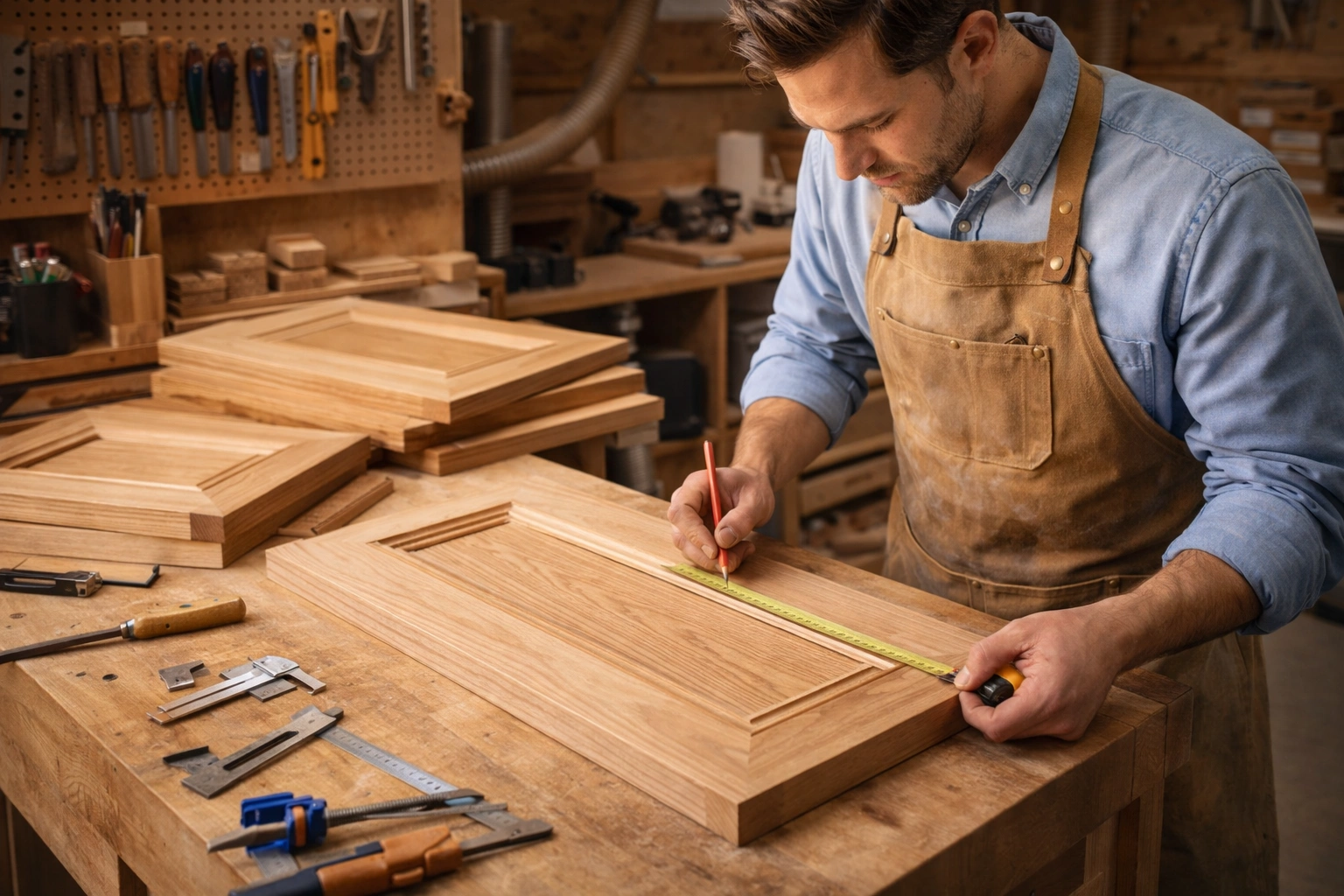
custom cabinet craftsmanship standards
Conclusion
Choosing the right custom cabinet maker transforms more than your space—it elevates your daily life with beauty, efficiency, and lasting craftsmanship.
Finding a trusted expert means your vision isn’t just understood—it’s thoughtfully brought to life, down to every detail that matters to you.
—
Take action now with these proven steps:
- Define your goals: Be clear about your style, needs, and priorities before you begin conversations.
- Do your homework: Research portfolios, verify credentials, and compare at least three makers for a real sense of value and quality.
- Ask the right questions: Focus on materials, processes, and after-care—don’t skip reviewing references and warranty details.
- Visit in person: Tour showrooms or workshops to experience the quality of materials and craftsmanship firsthand.
- Get it in writing: Insist on detailed contracts, timelines, and payment terms for peace of mind.
—
Ready to take the next step?
Start by reaching out to top-rated cabinet makers in your area, schedule an in-person consultation, and bring your inspiration board with you—every detail you share makes a difference.
Set clear expectations, ask for supporting documentation, and trust your instincts as you choose the partner who best listens to your vision.
—
The cabinets of your dreams begin with smart decisions today. When you prioritize quality, communication, and partnership, you create a space that’s truly your own—crafted to last, admired for years to come.
“Let your vision inspire the process—and let expertise bring it to life.”
FAQs
How to source and select a custom cabinet maker for a high-quality kitchen renovation?
To source and select a custom cabinet maker, start by reviewing real project portfolios, verifying craftsmanship standards, and confirming transparent proposals with clear materials, timelines, and warranties. Working with an experienced service provider like custom cabinet makers at ILC Cabinets ensures professional design support, premium materials, and precision installation from start to finish.
2. Why is craftsmanship important when you source and select a custom cabinet maker?
When you source and select a custom cabinet maker, craftsmanship determines how well your cabinets perform over time. Quality makers use solid wood construction, dovetail joinery, and soft-close hardware—standards consistently delivered by experienced providers such as ILC Cabinets.
3. What questions should I ask before I source and select a custom cabinet maker?
Before you source and select a custom cabinet maker, ask about materials, timelines, warranties, and past projects. Reputable companies like ILC Cabinets provide transparent proposals, detailed specifications, and professional consultations to ensure clarity from design to installation.