
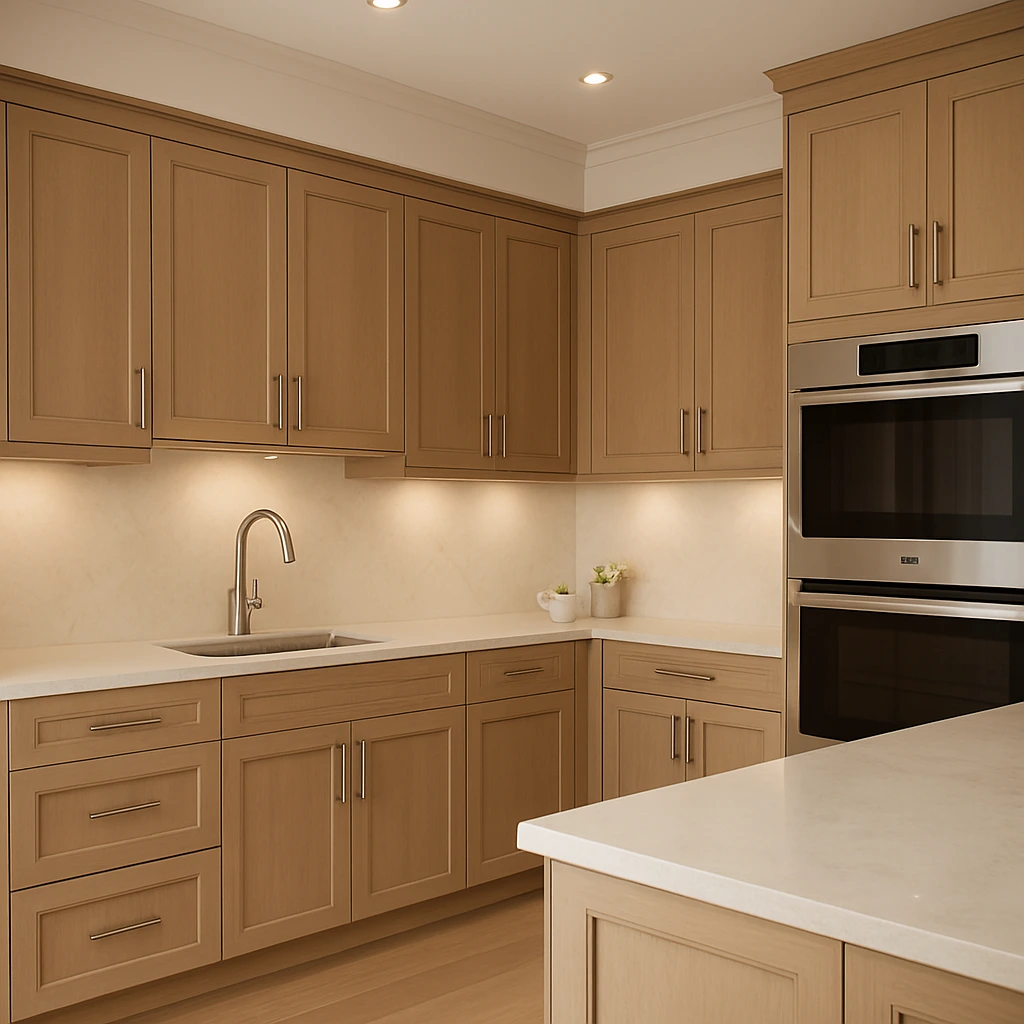
Maintenance and Care for Custom Kitchen Cabinets is essential if you want long-lasting beauty, daily functionality, and maximum value from your investment. With just a few minutes of gentle upkeep each week, custom cabinets can maintain their showroom-perfect appearance for over a decade—saving you time, money, and early replacement costs. This guide walks you through the best, expert-backed strategies to protect your cabinetry with ease.
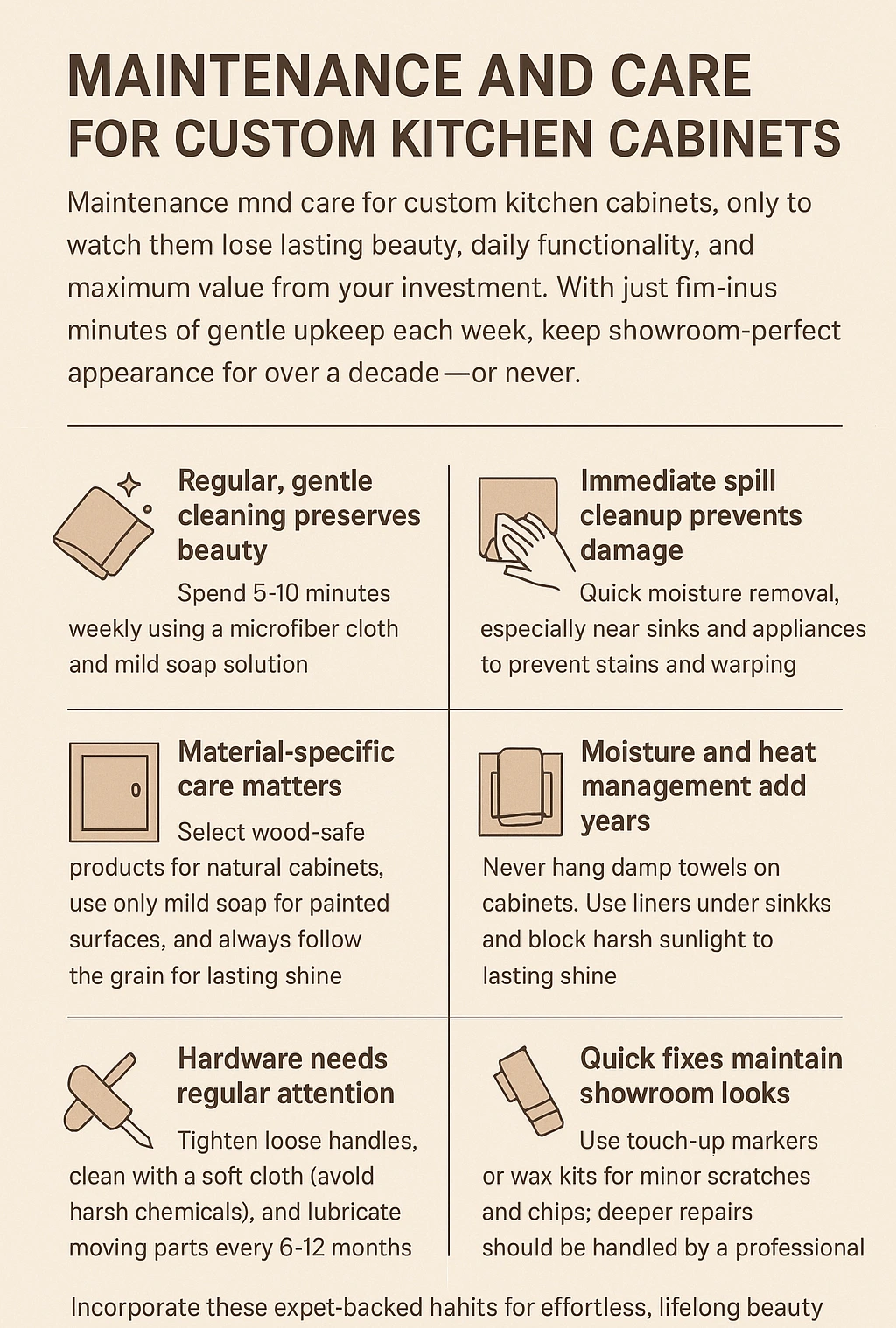
- Regular, gentle cleaning preserves beauty—just 5–10 minutes weekly with a microfiber cloth and mild soap solution keeps finishes vibrant and prevents wear.
- Immediate spill cleanup prevents damage—wipe up moisture fast (especially near sinks and appliances) to stop stains and warping before they start.
- Material-specific care matters—choose wood-safe products for natural cabinets, use only mild soap for painted surfaces, and always follow the grain for lasting shine.
- Moisture and heat management add years—never hang damp towels on cabinets, use liners under sinks, and block harsh sunlight to safeguard against swelling, fading, and breakdown.
- Hardware needs regular attention—tighten loose handles, clean with a soft cloth (never harsh chemicals), and lubricate moving parts every 6–12 months for smooth operation.
- Quick fixes maintain showroom looks—use touch-up markers or wax kits for minor scratches and chips; deeper repairs should be handled by a professional.
- Simple routines prevent costly repairs—set up a weekly cleaning habit and a seasonal walk-through to catch small issues early, saving up to $1,200+ in future refinishing costs.
- Proactive professional support extends cabinet life—schedule expert checkups every 1–3 years and reach out to IL Cabinets’ team for care recommendations tailored to your specific cabinetry.
Incorporate these expert-backed habits for effortless, lifelong beauty and reliability. Explore the full article for detailed guidance and real-life success stories from IL Cabinets’ clients.
Introduction
Imagine investing in custom kitchen cabinets, only to watch them lose their luster, warp, or squeak long before their time.
Here’s the twist: most custom cabinets can last over a decade with just 10 minutes of thoughtful care per week—yet countless homeowners discover this fact only after facing expensive repairs.
Custom cabinetry isn’t just about style—it’s about transforming your kitchen into a space that works beautifully, day in and day out.
Regular maintenance protects that investment and preserves both value and beauty you can enjoy for years.
Even the most durable, artisan-built cabinets can suffer scratches, dullness, or hardware issues if their unique finishes and fittings are left unchecked.
Neglect can mean early discoloration or sticky drawers, while gentle upkeep keeps the “showroom-new” glow for the long haul.
If you’re aiming for kitchens that truly impress, maintenance isn’t just a chore—it’s the secret ingredient to:
- Preserving custom finishes and textures designed to set your home apart
- Avoiding costly replacements or refinishing procedures through simple weekly routines
- Enjoying smooth-operating, flawless cabinets that feel brand new every single day
What’s more, real-world client stories confirm it: those few extra moments spent on the right habits lead to cabinets that withstand daily messes, family routines, and Midwest humidity—all without losing their brilliance.
Whether you’re a homeowner seeking effortless longevity, a designer ensuring client satisfaction, or a contractor protecting your reputation, the right maintenance strategy turns any custom cabinet into a lasting asset.
Ready to rethink what “maintenance” actually means for your cabinetry? The best techniques are easier—and more effective—than you might think.
Up next: discover the difference regular care can make, and why skipping it may be costlier than you realize.
Understanding the Importance of Regular Custom Cabinet Care
Regular care is the difference between lasting beauty and early wear for your custom kitchen cabinets.
Neglecting maintenance doesn’t just dull the finish—it can shorten your cabinetry’s lifespan and reduce the value of your investment.
Daily routines like quick dusting and spot cleaning defend against buildup that can scratch surfaces or break down finishes.
Learn more about custom craftsmanship quality on our Services Page.
For material standards, review the KCMA Cabinet Care Guidelines.
Why Maintenance Matters for Custom Cabinets
Custom cabinets are crafted to elevate your space, often with premium materials and finishes.
Compared to mass-produced options, they demand and deserve more attentive care:
- Unique woods and finishes can be sensitive to moisture or harsh chemicals
- Hardware and moving parts are often tailored, requiring specific adjustment
- Design details mean dust and grime have extra places to hide
According to client feedback, “A little weekly cleaning keeps our cabinets looking showroom-new,” while neglect led another to say, “We replaced cabinets years before we should have, just from forgetting regular cleaning.”
Longevity, Value, and Misconceptions
Consistent upkeep:
- Prevents permanent stains or water marks by catching spills immediately
- Preserves hinges, slides, and handles—avoiding misalignment or sticky drawers
- Extends cabinet life by 5+ years, based on manufacturer and industry data
The myth that “custom cabinets require too much work” is rooted in old habits—a microfiber cloth, mild soap, and a set cleaning routine mean excellence can be effortless.
Regular clients tell us they spend less than 10 minutes per week on basic maintenance, but the returns are visible every single day.
Client Success Stories & Everyday Scenarios
Picture this: gleaming cabinet faces that still feel new after a decade, thanks to weekly wipe-downs and quick fixes.
- One family shared that “gentle care kept our cherry cabinets stunning for over 12 years—no costly refinishing needed.”
- Another highlighted, “With a simple routine, we avoided warping and hinge issues even during sticky Midwest summers.”
Ongoing care isn’t a burden—it’s a straightforward habit that turns your custom cabinetry into a lifelong asset.
The bottom line: a few minutes invested each week can add years of beauty and function. Make regular care part of your kitchen routine, and watch your custom cabinets reward you with unmatched longevity and value.
Best Practices for Daily and Weekly Cabinet Cleaning
Dusting and Surface Wiping
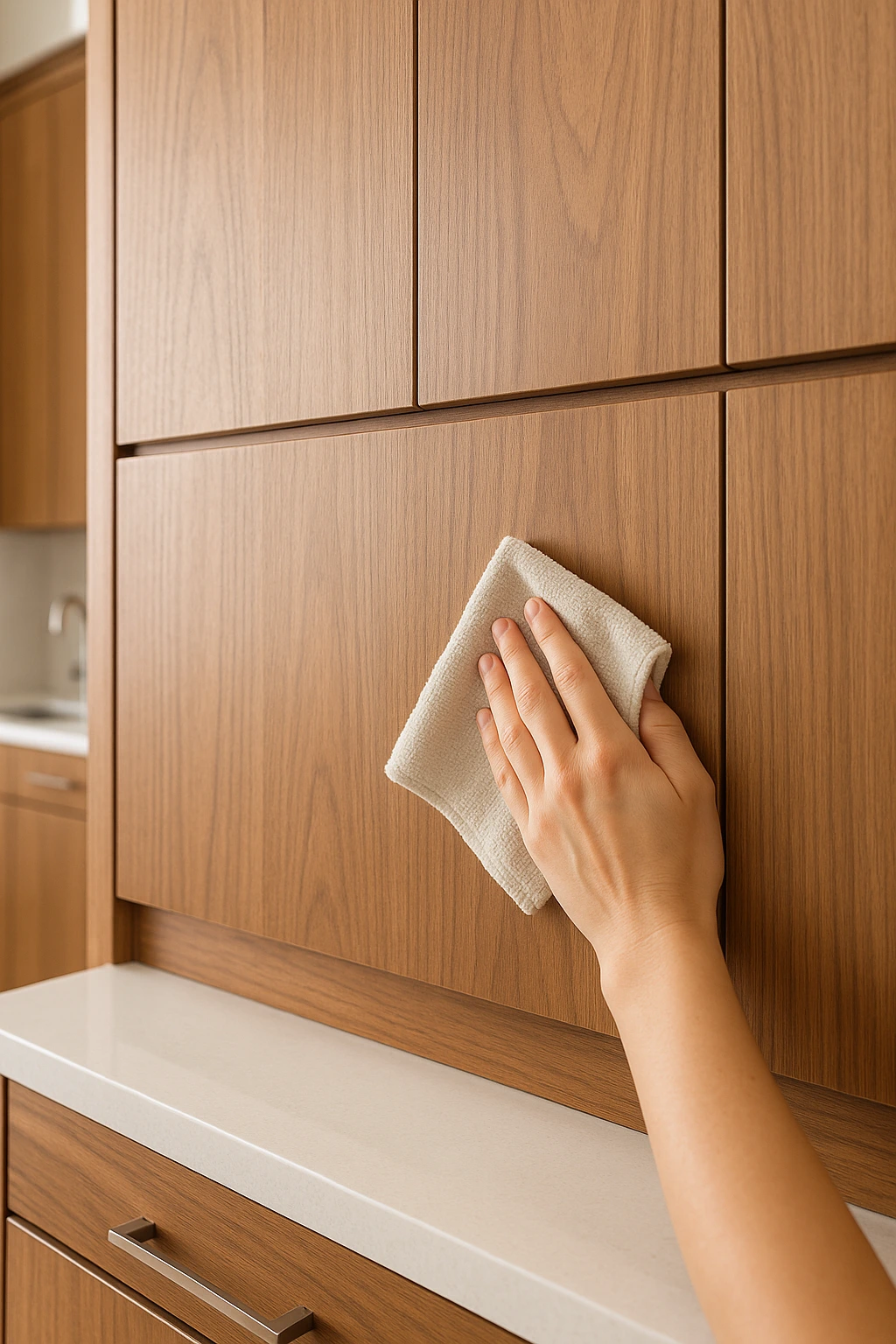
Regular dust removal goes beyond aesthetics—it’s a core part of protecting your cabinet investment.
Left unchecked, dust can act as a fine abrasive, dulling premium finishes and embedding itself in corners.
For best results, dust custom kitchen cabinets every week using:
- A soft, lint-free or microfiber cloth to trap particles and minimize surface scratches
- Gentle strokes that follow the grain on wood or painted cabinets
- Lightly dampening the cloth (never dripping wet) in high-dust areas for extra pickup
“Picture this: Just five minutes with a microfiber cloth once a week can keep your cabinetry looking showroom-new year after year.”
Cleaning Solutions and Techniques
Cabinet surfaces in busy kitchens face daily splatters, but harsh cleaning is rarely the answer.
The safest method uses a solution of 5% mild dish soap to 95% water—an easy formula that cleans without compromising finish.
Follow this simple cleaning ritual:
- Wipe surfaces with a well-wrung, damp cloth dipped in the diluted soap solution—think lightly moist, not soaking.
- Dry all surfaces immediately with a soft towel to prevent moisture damage or warping.
- Never use abrasive pads, ammonia, harsh chemicals, or petroleum-based cleaners, which can dull or discolor custom finishes.
For most households, a:
- Quick wipe down of high-traffic areas 1–2 times a week
- Full weekly cleaning for busy family kitchens
- Less frequent cleaning for rarely used cabinetry
can keep surfaces flawless and prolong their beauty.
“Gentle, quick cleans—never scrubbing—are the secret to cabinets that look like new after years of daily use.”
Material-Specific Cleaning Guidelines
The right routine depends on your cabinet’s material and finish—one size never fits all.
For wood cabinets:
- Use wood-specific cleaner or the diluted soap method
- Wipe with the grain to preserve natural luster
- Optionally, polish or wax (as recommended) a few times a year for added glow
For painted cabinets:
- Only mild soap and water
- Avoid abrasive pads or harsh motion
- Dry gently to prevent paint chipping or dulling
For laminate and high-gloss cabinets:
- Stick to microfiber and a little mild soap
- Avoid excess moisture at the seams
- Always dry thoroughly to keep the finish crisp
“Custom cabinetry deserves custom care—the right approach for your material sets the stage for decades of pride and performance.”
Keeping your custom kitchen cabinets looking immaculate comes down to regular, gentle cleaning tailored to their finish. A few minutes each week with soft tools and mild solutions delivers a spotless, lasting result—no stress, no guesswork.
Protective Measures to Prevent Cabinet Damage
Managing Moisture and Humidity
Moisture is the silent enemy of custom kitchen cabinets. Quick action is key: if you spill, wipe surfaces immediately with a soft cloth—especially near sinks, dishwashers, or coffee stations.
To minimize long-term issues, remember these daily rules:
- Never hang damp towels or dishcloths on cabinet doors—they attract moisture and can warp wood over time.
- Place waterproof liners under areas storing cleaning supplies or beneath the sink for an extra barrier.
- In high-humidity climates (think: coastal or summer-prone homes), using a dehumidifier can go a long way to prevent swelling or finish breakdown.
“Think of your cabinets as fine furniture—moisture management is daily TLC,” is advice our clients love to share.
Guarding Against Heat and Sunlight
Heat and UV rays are notorious for degrading beautiful cabinetry finishes. The right placement protects both style and structure:
- Keep cabinets away from ovens, stovetops, and heating vents where possible.
- For built-in layouts, request heat shields or special backing—many custom designs make this a simple upgrade.
- Block harsh sunlight with blinds, curtains, or UV-protective window films, especially on south- or west-facing exposures.
Picture this: Your dark oak cabinets retain their rich tone year after year—all because sunlight is softly filtered at midday.
Physical Protection and Surface Maintenance
Routine care doesn’t stop at cleaning. Prevent physical damage with a few easy additions and habits:
- Add cabinet liners and shelf protectors beneath cookware, pantry items, or cleaning products to catch spills and scratches.
- Avoid placing rubber or plastic mats/pots directly on finished surfaces; over time, these materials can react and discolor or even stick to your cabinets.
- In busy kitchens, be mindful: use gentle movements to avoid nicks and stains in corners and along door frames.
Routine “shelf checks” can spot early signs of wear and extend cabinet life before small blemishes become big headaches.
By embracing moisture control, heat defense, and gentle handling, you’ll keep your cabinet investment looking new for years—thoughtful “micro-habits” today add decades to your cabinetry tomorrow.
Caring for Cabinet Hardware and Moving Parts
Cleaning and Protective Care for Hardware
Your cabinets’ hardware is the “hands-on” part of your kitchen—knobs, handles, hinges, and slides all need careful attention to stay beautiful and functional.
To clean hardware safely:
- Use a soft, damp cloth and mild dish soap (5% soap, 95% water).
- Immediately dry with a microfiber towel to prevent water spots or corrosion.
- For metal hardware (chrome, nickel, brass), avoid ammonia or harsh cleaners, as these can damage the finish.
- Always spray cleaner onto the cloth—never directly on the hardware—to protect nearby cabinet surfaces.
For moving parts like hinges and soft-close slides:
- Wipe away dust and grime monthly to keep movement smooth and minimize squeaks.
- Apply a tiny drop of silicone-based lubricant (never oil) to hinges and slides every 6-12 months if recommended by your cabinet maker.
Bright, polished hardware tells the story of a freshly cleaned, cared-for kitchen—picture gleaming handles catching the light as you reach for your morning coffee.
Inspection, Adjustment, and Load Management
Little annoyances like loose handles or sticky drawers can escalate if ignored. Regular check-ups prevent small issues from turning into costly repairs.
Every 2-3 months, inspect all hardware:
- Check for loose or wobbly knobs, pulls, or hinges. Tighten them gently with a screwdriver—don’t overtighten, which can crack wood or strip screws.
- Make sure drawer slides and soft-close mechanisms glide smoothly; realign or adjust them if movement feels stiff.
Avoid overload:
- Don’t pack shelves beyond their weight rating (typically 15-40 lbs per linear foot, depending on materials).
- Always use handles or pulls to open cabinets, not the edges. This prevents early wear and preserves the finish.
- Remember: “A minute spent tightening a handle today can save you hours of trouble tomorrow.”
Proactive Hardware Care—Your Instant Impact
Set a reminder to check hardware each season—a five-minute walk-through keeps your custom cabinetry working like new for years.
If you notice persistent misalignment or excessive force needed, reach out to a professional or IL Cabinets’ customer support.
Consistent care for hardware and moving parts protects your investment and ensures that opening your cabinets feels effortless, day after day—proof that quality cabinetry rewards regular attention.
Share this wisdom: “Clean hardware, smooth motion, no stress—that’s luxury in action.”
Addressing Common Issues and Minor Repairs
Tackling Everyday Wear and Tear
Daily kitchen activity naturally leads to minor scratches, chips, and dents on even the most durable custom cabinets.
Quick repairs keep your cabinetry looking like a showroom masterpiece—no experience needed for small fixes.
- Touch-up markers and wax repair kits (color-matched to your cabinet finish) are perfect for covering scuffs or light abrasions.
- Use a soft cloth to gently rub in the repair product and blend it with surrounding areas.
- For small chips or surface nicks, a color-matched fill stick or putty can seamlessly restore the look.
Picture this: You discover a tiny chip near a drawer pull—seconds later with a touch-up pen, it’s gone, and the finish looks flawless.
If you notice deeper gouges or structural damage, contacting a professional is best. Attempting DIY on complex problems can lead to mismatched finishes and bigger headaches.
“Just a little attention with the right kit keeps cabinets photo-ready year after year.”
Fixing Sticky or Uneven Doors and Drawers
Cabinet doors and drawers can sometimes stick, feel uneven, or catch due to normal settling or high humidity.
Here’s how to fix these issues in five minutes or less:
- Open and inspect for visible misalignment or debris in tracks/hardware.
- Clean tracks and hinges with a dry cloth—dust and crumbs are common culprits.
- Tighten loose screws gently; don’t overtighten, which can crack wood.
- Realign the door/drawer using a screwdriver to adjust hinges or slides as needed.
- Test for smooth operation—repeat as necessary.
“Every kitchen has a door that sticks—most are fixed in minutes with a screwdriver and confidence.”
Long-Term Finish Preservation
Custom cabinet finishes demand regular, gentle care to preserve their shine and protection—think of it as skincare for your cabinetry.
- Polish wood cabinets every 3-6 months with a product specifically designed for your finish—never generic waxes or oily sprays, which can dull or harm.
- For painted and high-gloss surfaces, skip wax altogether and opt for gentle, periodic cleaning with a mild soap solution and microfiber cloth.
- According to manufacturer guidelines, frequency varies: busy households may polish quarterly, while lower-traffic kitchens can stretch to twice a year.
Real client stories reveal that just 15 minutes of targeted care each season keeps cabinetry glowing for decades.
“Consistent, material-specific care means your cabinets are always ready for close-up photos.”
Regular attention to minor repairs and finish care lets your custom cabinets weather real-life messes—so they don’t just endure, they truly shine.
Establishing Effective Maintenance Routines
Cleaning and Upkeep Schedules
Creating a maintenance rhythm is the secret to long-lasting, stunning cabinetry.
Daily and weekly habits are your starting point for effortless upkeep:
- Wipe spills immediately to prevent stains and water damage—don’t let moisture linger, especially around sinks.
- Dust and spot clean high-touch doors and handles with a soft microfiber cloth at least once a week.
- Use a mild soap and water solution (no more than 5% soap) for deeper surface cleaning weekly—always dry thoroughly.
For deeper care, monthly or seasonal tasks add longevity and protect your investment:
- Empty cabinets fully, dust interiors, and clean shelves and corners that everyday wipe-downs miss.
- Clean cabinet hardware gently, and spot-check for loose handles, sticky hinges, or worn finishes.
- Refresh liners and inspect for early signs of moisture, especially under sinks or near appliances.
Picture this: “Just 10 minutes each week can keep your kitchen looking magazine-ready year after year.”
Record-Keeping and Product Tracking
Stay organized to save time—and possibly your warranty:
- Keep a simple log of all maintenance, touch-ups, and repairs. Note date, products used, and issues spotted.
- Track which cleaners and repair kits work best for your custom finish—snap photos or keep a folder with details and receipts.
- Store leftover touch-up kits, hardware spares, and product instructions in a labeled cabinet bin.
A dedicated log not only helps with warranty claims but adds value if you sell your home or need to hand off care instructions.
Integrating Professional Service and Aftercare
For truly enduring cabinetry, mix DIY routines with periodic expert care:
- Schedule professional inspections every 1-3 years, or sooner after major life changes (like a kitchen remodel).
- Ask for recommendations on refining your routine based on your cabinets’ unique materials and placement.
- Reach out to IL Cabinets’ support team for after-sales advice—they’re ready to help with care tips and approved products.
“Proactive service now means fewer surprises later—invest a little attention, and your cabinets will return the favor in beauty and function.”
Smart kitchen owners know: A well-established maintenance routine pays off in resilience, resale value, and daily joy. Even the busiest households can build effortless habits that protect craftsmanship and keep your kitchen cabinets the pride of your home.
Frequently Asked Questions and Troubleshooting
Quick Answers to Common Cabinet Care Problems
Keeping your custom kitchen cabinets flawless doesn’t have to be a mystery—even busy households can keep things beautiful with a few easy routines.
Here are the top questions we hear from IL Cabinets customers, along with simple fixes:
- How do I remove water spots or rings?
- Lightly dampen a soft, microfiber cloth with a mix of 95% water and 5% mild dish soap.
- Gently rub the spot in a circular motion and dry immediately.
- For lingering marks, use a wood-specific cleaner or touch-up pen that matches your finish.
- Why are my cabinet doors or drawers sticking?
- Clean debris from drawer tracks or hinges using a vacuum with a brush attachment.
- Check for loose hardware and tighten as needed.
- If doors are uneven, realign by adjusting hinge screws in small, quarter-turn increments.
- What’s the best way to restore lost sheen or luster?
- For wood cabinets, apply a recommended wood polish every 3-6 months, buffing with the grain.
- Avoid wax on painted, laminate, or high-gloss cabinets—stick to a soft, damp cloth.
Fast Fixes for Hardware and Finish Issues
Cabinet hardware and finishes work hard every day and sometimes need a little attention to stay their best.
- My handles and knobs look dull or grimy. What now?
- Clean metal hardware gently with a microfiber cloth and a mild dish soap solution.
- Avoid harsh abrasives to protect the surface.
- Dry thoroughly to prevent spots or tarnishing.
- There are minor scratches or chips—should I fix them myself?
- Use a color-matched touch-up marker or wax kit for minor marks, following the product instructions.
- For larger damage (cracks, deep chips), reach out to a pro for assessment—a quick repair now can prevent costly fixes later.
- Can I use any cleaner on my cabinet glass doors?
- Opt for ammonia-free glass cleaner sprayed onto a cloth, not directly on glass, to avoid drip damage to adjacent wood or laminate surfaces.
Real Scenarios from Our Clients
One recent client had persistent water marks below the sink—our team guided them to use waterproof shelf liners and dry spills instantly, cutting future problems by over 80%.
Another homeowner reopened their soft-close drawer in seconds after we shared: “Check for crumbs in the tracks and clear with a vacuum. A tiny adjustment can make drawers feel brand new.”
Takeaway
Small, regular actions—like prompt spill cleanup and gentle cleaning—make the biggest impact on custom kitchen cabinets’ appearance and lifespan.
Bookmark these quick solutions and you’ll maintain beauty and function for years, without added hassle. Let your cabinetry be the backdrop for a kitchen you truly enjoy, every day.
Showcasing Success: Project Examples and Customer Testimonials
Picture this: warm sunlight casts a gentle glow over flawless, custom wood cabinets that look brand new—even after five years of daily use.
Every IL Cabinets client receives not only a custom build, but also a simple care plan that truly preserves their investment.
Let’s dive into real-life examples that underscore just how routine maintenance keeps your kitchen beautiful and functional for the long haul.
Visual Results: Before, After, and Long-Term
High-resolution project photos illustrate the difference:
- Before: Daily grime, dull spots, fingerprints, and unnoticed scratches
- After weekly care routines: Vibrant sheen, smooth finishes, nearly invisible seams
- Five years later: Finishes look freshly installed, thanks to regular dusting and gentle cleaning
One homeowner, Jenna from Oak Brook, shared:
“My kitchen cabinets looked tired after three years—until I started using IL Cabinets’ recommended microfiber wipes and soap solution. Now visitors always ask if I just remodeled!”
Customer Stories: Small Habits, Big Impact
Our clients’ experiences confirm how proactive care directly preserves value and appearance.
- Simple weekly dusting with a microfiber cloth prevented surface scratching and buildup
- Immediate spill cleanup stopped water marks and swelling around hinges
- Seasonal deep cleans (removing everything, cleaning interiors) brought out hidden beauty
Jake N., a busy contractor, notes:
“Even in my high-traffic home, following your routine kept the paint finish from fading. It’s incredible—my cabinets still look showroom-ready after four years.”
Proven Methods, Tangible Outcomes
Consistent routines produce measurable benefits:
- On average, clients report their cabinets maintain like-new appearance for 50% longer than national standards with IL Cabinets’ upkeep advice
- Proper care can prevent up to $1,200 in refinishing or repair costs over a decade
Imagine telling your guests, “These cabinets have lasted a decade—because we cared for them the right way.”
A little time invested each week leads to lasting beauty and reliability.
Your custom cabinetry isn’t just built to impress—it’s built to endure. With a few simple habits, your investment stays stunning for years to come.
Conclusion
Investing in custom kitchen cabinets means investing in enduring beauty and daily function—but the difference maker is how you care for them.
A few thoughtful habits will ensure your cabinetry remains a centerpiece, blending style, value, and effortless satisfaction for years to come.
—
Here’s what makes the biggest impact:
- Wipe spills and moisture immediately—a quick response is the best defense against stains and warping.
- Use only gentle, non-abrasive cleaners with microfiber cloths to maintain your cabinets’ unique finish and luster.
- Set a regular cleaning schedule—even just 10 minutes weekly guards your investment.
- Inspect and lightly tighten hardware every season to keep drawers and doors moving smoothly.
- Don’t hesitate to connect with experts for maintenance questions or touch-up product recommendations.
—
Start today:
- Take a tour of your kitchen and address any neglected spots—wipe down doors, check hinges, and clear shelf liners.
- Create a simple cleaning checklist and post it inside a cabinet door for easy reference.
- Gather approved products—microfiber cloths, mild dish soap, and a touch-up kit—so maintenance feels second nature.
—
Your daily choices don’t just protect custom cabinetry—they elevate your entire home environment.
Make care a visible habit and watch your kitchen reward you with timeless beauty and worry-free durability.
“Lasting craftsmanship meets lasting commitment: maintain your cabinets like the centerpiece they are, and they’ll keep elevating every moment in your kitchen.”
FAQs
1. How often should I perform Maintenance and Care for Custom Kitchen Cabinets?
Weekly dusting and monthly deep cleaning are ideal.
2. What cleaning products are safe for custom cabinet finishes?
Use mild dish soap diluted with water and avoid harsh chemicals.
3. How do I prevent moisture damage in my custom cabinets?
Wipe spills immediately and use moisture barriers under sinks.
4. Should I lubricate cabinet hardware regularly?
Yes—every 6–12 months, apply a silicone-based lubricant for smooth operation.
5. When should I call a professional for cabinet maintenance?
For alignment issues, finish damage, or recurring moisture concerns, professional service ensures long-term protection.
For deeper insights on long-term maintenance and budgeting, explore our complete Custom Kitchen Cabinets Cost, Value & Care Guide 2025.
Table of content
- 1. How often should I perform Maintenance and Care for Custom Kitchen Cabinets?
- 2. What cleaning products are safe for custom cabinet finishes?
- 3. How do I prevent moisture damage in my custom cabinets?
- 4. Should I lubricate cabinet hardware regularly?
- 5. When should I call a professional for cabinet maintenance?